Small projects
Here’s a portfolio giving details of the projects who have received Small Grants funding from us. If you have a road safety initiative that requires funding and you meet our small grant criteria, why not apply when the grant applications are open?
Search by category
Keyword search

The Kier Foundation
Persuading professional drivers that hands-free phones are as dangerous as hand-held phone calls
This project focused on tackling the use of mobile phones whilst driving within the scope of professional drivers.
The British Horse Society (BHS)
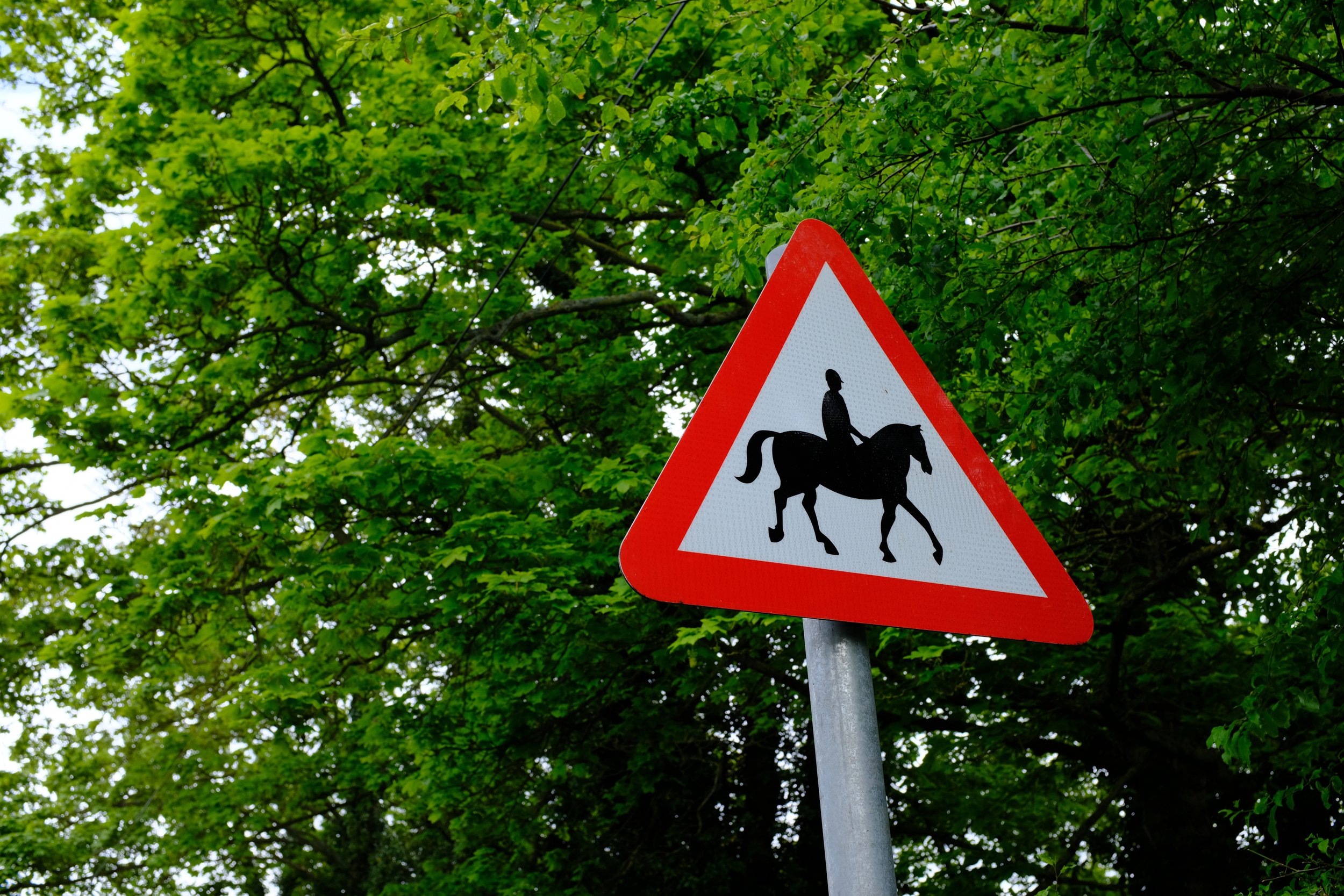
De-escalating road rage when passing vulnerable road users (VRU)
This project aimed to look at de-escalating road rage when passing vulnerable road users.

Drymen Community Development Trust
Speed reduction and community space gain through roadway softening layout changes trial
This project is a trial of the installation of white lining and planters in the roadway around the village square…

The Open University
We need to talk about handsfree: officer understanding of the dangers of handsfree and handheld mobile phone use by drivers
This project examined police officer attitudes to, and awareness of, the dangers of hands-free phone use…

University of Greenwich
Safer roads through citizen partnerships: Enhancing road safety through improved use of community speedwatch volunteers
The University of Greenwich explored the role of volunteers in roads policing initiatives, including the CSW scheme, improving their deployment and management.

University of the West of England
What is safe: Developing a Perceived Road Safety Indicators measurement tool (PeRSI) for pedestrians and cycle users
University of West of England (UWE) is building upon a previously funded project on a Perceived Road Safety Indicators measurement tool to refine and trail it, enabling practitioners to further understand the extent of perceived lack of safety.

Suffolk County Council
Combining the carrot and stick: can ANPR Speed Indicator Devices reduce speed in rural areas?
Suffolk County Council conducted a trial on the effectiveness of interventions using ANPR Speed Indicator Devices.

Staffordshire University
Routes to speed safety: Understanding and measuring the contribution of Community Speedwatch - a partnership between Gloucestershire Police and Staffordshire University
Staffordshire University provided an evaluation of the effectiveness of Community Speed Watch (CSW) throughout Gloucestershire to help engage with drivers and communities around the issue of speed.

AA Charitable Trust for Road Safety and the Environment
Young rural drivers
This project, supported by partners Agilysis, researched and identified the 10 riskiest rural roads for young people in the UK.

Derby City Council
Local authority crash model for skid resistance
This project analysed road surface skid resistance and road traffic collision data for selected local authorities, to develop a model of the relationship between skid resistance and collision risk for a typical ‘city’ road network.

eDriving Solutions Ltd
Impulse control intervention and evaluation
In 2017, the Road Safety Trust supported the development of a road safety intervention entitled ‘Who is Driving You?’ (WDY). This new project further developed the intervention in South Yorkshire.

Kent Fire and Rescue Service (KFRS)
Pre-driver Theatre and Workshop Education Research (PdTWER)
A project to evaluate whether a theatre-based pre-driver education programme and follow up peer-to peer learning and peer-based social networks can improve pre-driver strategies to road related risk.

Shiny Side Up Partnership
Know the Dangers!
The grant allowed Shiny Side Up to transform the ‘Know the Dangers’ educational resource for motorcyclists into a suite of seven short 3D animated videos, each illustrating a common collision scenario.

Wilsden Parish Council (WPC)
Harecroft: an evaluation of how to apply psychological speed reductions through a rural hamlet through incremental changes in visual deterrents over a fixed period of time
A trial of self-enforcing 20mph traffic calming measures and visual driver aids in a rural hamlet. The project evaluated speed, driver behaviour and public perception and acceptance of the scheme.